The finance company sought to redefine the industry by developing a cutting-edge fintech app. Teaming up with us, the collaboration took us on a journey to revolutionize the way financial services are delivered and experienced. This case study delves into the challenges faced, solutions implemented, and remarkable outcomes achieved through this transformative partnership.
What is Fintech App?
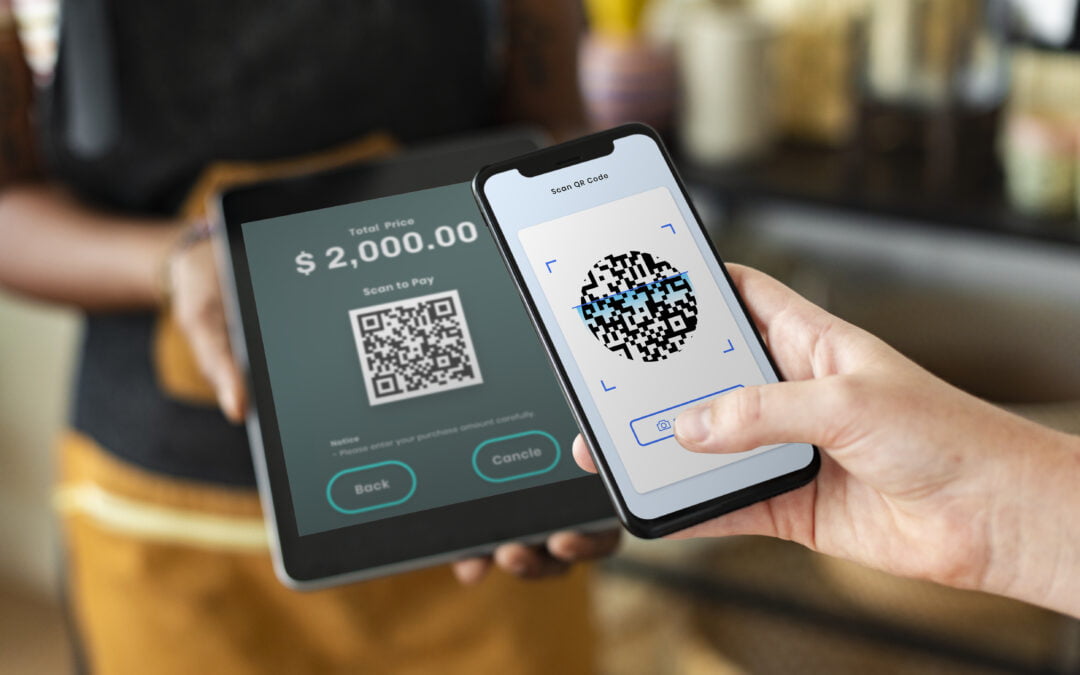
What is the meaning of fintech application? A fintech application, or financial technology application, means a mobile application designed to provide financial services and solutions using technology.
These apps leverage advancements in information technology to enhance and streamline various aspects of financial activities, making them more efficient, accessible, and user-friendly. Fintech apps cover a broad range of financial services, and they can cater to both individual consumers and businesses.
Financial-tech applications play a crucial role in the digital transformation of the financial industry, offering users greater convenience, accessibility, and innovation in managing their financial activities.
Confronting Complexity: Navigating CHALLENGES in the Fintech Frontier
In today’s era, most people are facing difficultly in navigating and understanding the features of payment apps. Looking after this major issue, the client, a prominent player in the finance sector, identified the need to enhance the digital presence and cater to the growing demands of tech-savvy consumers. The goal was clear: develop the best fintech app i.e., a payment app that seamlessly integrates with their existing infrastructure, offering a user-friendly experience while ensuring robust security measures.
Crafting Success: Innovative SOLUTIONS in the Fintech Landscape
We are a leader in innovative solutions for the finance industry. Leveraging our expertise in fintech application development, we collaborated closely with the finance company to understand their unique requirements and challenges.
The journey began with a comprehensive analysis of the existing systems, user expectations, and industry trends.
Strategic Planning
Conducted thorough market research to identify emerging trends and competitors, ensuring the fintech app design would stand out in a crowded market. Developed a detailed roadmap outlining key features, user experience improvements, and a phased implementation strategy.
Customized Development
Utilized state-of-the-art technologies to build a robust and scalable fintech app design tailored to the client’s specific needs. Implemented cutting-edge security measures to protect user data and financial transactions.
User-Centric Design
Enlisted the expertise of UI/UX specialists to create an intuitive and visually appealing the best fintech app design. Conducted user testing to refine the application’s interface, ensuring a seamless and enjoyable experience for end-users.
Integration with Existing Systems
Seamlessly integrated the new app with the fintech company’s legacy systems, ensuring minimal disruption to ongoing operations. Implemented API solutions for smooth data exchange between the app and existing databases.
Comprehensive Testing
Rigorous testing procedures, including functionality, security, and performance testing, were conducted to identify and rectify any potential issues before the app’s launch.
Milestones and Achievements in Fintech Advancement- The RESULT
The collaborative efforts between our team and the financial technology company resulted in the successful launch of a high-tech fintech app- a payment app that exceeded expectations. The app achieved:
Increased user engagement
The user-friendly fintech app design and intuitive interface led to a significant increase in user engagement, attracting new customers and retaining existing ones.
Enhanced Security
The robust security measures implemented ensured the safety of user data and financial transactions, building trust among users.
Seamless Integration
The app seamlessly integrated with the financial technology company’s existing systems, optimizing operational efficiency and reducing the time and resources required for day-to-day tasks.
Positive Market Reception
The app received positive reviews from both users and industry experts, solidifying the client finance company’s position as an innovator in the financial technology sector.
The collaboration stands as a testament to the power of strategic partnerships in driving innovation. By combining our expertise in financial technology solutions with the company’s industry knowledge, a user-oriented fintech application; a payment app was born, reshaping the world of financial services.
This case study serves as an inspiring example of how a lead-oriented approach to development can yield transformative results in the fast-paced world of financial technology.
Therefore, if you are seeking a cutting-edge digital solution for your fintech business growth, connect with us—the complete financial technology solution. Our high-level expertise and talents are shaped as per your needs, and we can definitely offer you what you’re looking for.
Embracing innovation is not just a choice; it’s a necessity. As industries across the globe adapt to the winds of change, one technology has emerged as a beacon of transformation—blockchain. At The Expert Community, we’ve identified the power of blockchain services to redefine the financial landscape, ushering in a new era of security, transparency, and efficiency.
Let’s scroll and see what we’ve for you that can make your finance firm highly successful & profitable…
What is Blockchain-based Services?
Blockchain-based services provide the innovate ways to secure financial systems with cutting-edge Blockchain technologies. With its decentralized and immutable nature, it has become synonymous with trust and security.
In the financial sector, where every transaction carries immense significance, leveraging blockchain is not just an option; it’s a game-changer.
Let’s walk you through our blockchain-based services advancement…
Enhanced Security
Our tailored blockchain services provide a robust security framework that safeguards financial data from unauthorized access and tampering. In fact, the immutability of blockchain ensures that once a transaction is recorded, it cannot be altered, offering an unprecedented level of security in financial operations.
Transparent Transactions
Transparency is the cornerstone of trust in finance. With blockchain, we’ve eliminated the opacity that often clouds financial transactions. Every participant in the network has real-time access to an unforgeable ledger, fostering a transparent ecosystem where stakeholders can verify transactions independently.
Efficiency Redefined
Blockchain streamlines financial processes, reducing the need for intermediaries and minimizing the time and costs associated with traditional methods. Our tailored solutions optimize workflows, enhancing operational efficiency and allowing financial institutions to focus on what truly matters—serving their clients.
What are the 4 Block Chain Technologies?
Before, we commence block chain solutions for financial needs; let’s understand what is blockchain technology & its types. However, blockchain technology is like the saviour of the digital world, ensuring secure and transparent transactions.
Here are 4 essential blockchain techs with which we’ve capability to transform the finance industry completely. Scroll down to learn more!
Smart Contracts
Imagine contracts that execute themselves! Smart contracts are agreements with built-in rules. They automate processes, cutting out the middlemen and making transactions smoother and error-free.
Cryptocurrencies
Ever heard of Bitcoin or Ethereum? These are cryptocurrencies, the rockstars of block chain. They’re digital currencies that use block chain to secure and verify transactions, giving you a new way to buy, sell, and invest.
Decentralized Finance (DeFi)
Picture a financial system without the big banks calling all the shots. DeFi brings finance to the people, using block chain to create decentralized platforms for lending, borrowing, and trading. It’s like taking control of your financial destiny.
Non-Fungible Tokens (NFTs)
NFTs are the artists’ best friends in the digital world. They’re unique digital assets, like digital art or virtual real estate, stored on the blockchain. NFTs use blockchain to prove ownership and authenticity, turning the virtual into something you can truly own.
Each of these blockchain technologies has its strengths and applications, catering to diverse needs in finance, supply chain, real estate, media entertainment, healthcare, and beyond. As the technology continues to advance, we can expect further innovations and implementations that push the boundaries of what block chain can achieve.
How Blockchain Is Transforming The Entire Financial Services Industry?
Here is a breakdown of how blockchain is transforming the entire financial services industry:
1. Enhancing Security and Transparency
Distributed Ledger Technology: Blockchain’s core lies in its distributed ledger technology (DLT), where every transaction is recorded on a shared, tamper-proof ledger accessible to all network participants. This eliminates the need for a central authority, reducing the risk of fraud and errors.
Enhanced Traceability: Every transaction on a blockchain technology leaves an indelible digital footprint, making it easier to track the movement of funds and assets. This transparency fosters trust and accountability within the financial system.
2. Streamlining Operations and Reducing Costs
Automated Processes: Smart contracts, self-executing agreements based on predetermined conditions, automate manual tasks and eliminate the need for intermediaries, leading to faster transaction settlements and reduced operational costs.
Eliminating Friction: Blockchain services eliminates the need for paper-based processes and manual verification, streamlining workflows and reducing administrative burdens for financial institutions.
3. Democratizing Access to Financial Services
Financial Inclusion: Blockchain-powered platforms can provide access to financial services for the unbanked and underbanked populations, particularly in remote areas. This can be achieved through micro-loans, cross-border payments, and secure digital identities.
Decentralized Finance (DeFi): DeFi applications built on blockchain offer alternative financial products and services without relying on traditional intermediaries, potentially democratizing access to investment opportunities and financial tools.
4. Transforming Specific Financial Services
Payments: Blockchain-based payment systems offer faster, cheaper, and more secure cross-border transactions, disrupting traditional correspondent banking networks and remittance services.
Securities: Tokenization of assets like stocks and bonds on a blockchain can streamline trading and settlement processes, improve fractional ownership, and increase market liquidity.
Trade Finance: Blockchain can simplify and automate trade finance processes, reducing paperwork, fraud risks, and transaction costs for businesses involved in international trade.
Insurance: Blockchain can revolutionize the insurance industry by enabling faster claims processing, reducing fraud, and providing more transparent and efficient risk assessment mechanisms.
What is the Future of Blockchain Market?
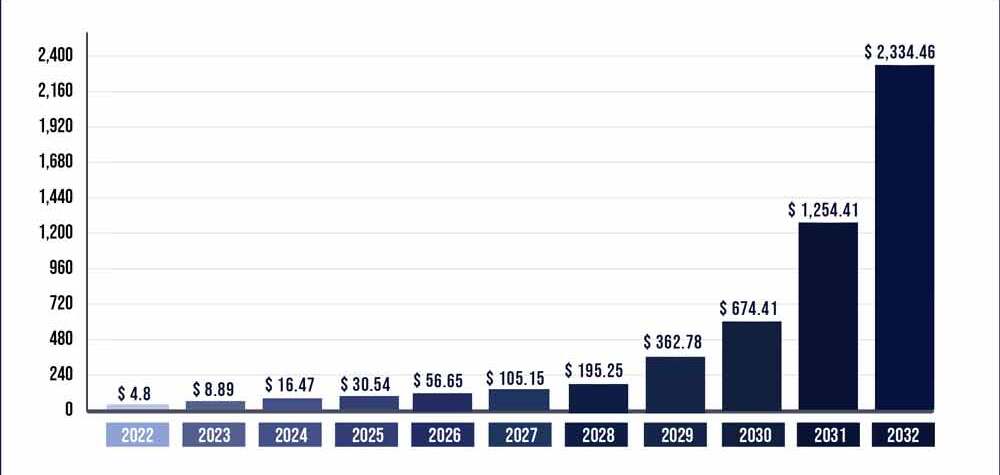
According to the Presedence Research, by 2032, the blockchain service market size will exceed up to US 2,334.46 Billion Dollars. Therefore, looking after the recent research, the demand of blockchain will increase, bringing fintech industry a new way to approach things.
Our Tailored Blockchain Services for Every Financial Need
Our experts are high-professionals who’ve worked with countless finance company to offer below service with complete client satisfaction. Have an overview…
Smart Contracts for Seamless Operations
Our blockchain technology experts always include the integration of smart contracts, self-executing contracts with predefined rules. Moreover, this automation not only expedites contract execution but also eliminates the risk of human error, providing a seamless experience for financial operations.
Customizable Blockchain Networks
Recognizing the diverse needs of the financial industry, we offer customizable block chain networks tailored to specific requirements. Whether you’re a bank or a fintech startup, our solutions including, blockchain application development, advisory & consulting, and management services. Thus, these are designed to align with your goals and challenges, ensuring a perfect fit for your unique financial ecosystem.
Cross-Border Transactions Made Simple
Blockchain breaks down geographical barriers in financial transactions. With our services, cross-border transactions become faster, more cost-effective, and less prone to errors.
With the help of our blockhain technology experts, say goodbye to the complexities of international transfers.
Elevate Your Business through Top-Notch Blockchain Services and Strategic Partnerships
Our journey in transforming the finance industry through tailored blockchain services is a testament to the power of innovation.
At The Expert Community, we believe in forging partnerships that go beyond tech, partnerships built on trust, & a shared vision for a future.
Join us on this transformative journey. Together, let’s redefine finance through the limitless possibilities of blockchain technology. Your financial evolution starts here.
Contact us to explore how our tailored blockchain solutions can empower your position at the forefront of the financial revolution.
As we’re aware that the need for efficiency and agility has never been more pronounced. To thrive in 2024 and beyond, companies must find innovative ways to streamline operations and maximize productivity. EnterBusiness Process Automation (BPA), a game-changing strategy that promises to revolutionize how businesses function.
In this comprehensive guide, we will delve into the world of BPA, its benefits, implementation strategies, and trends for 2024. Scroll down to learn more…!!!
What is Business Process Automation (BPA)?
BPA is the use of technology to automate routine, repetitive tasks and processes within an organization. These tasks can span various departments, from HR and finance to customer service and marketing. The goal is simple: to free up valuable human resources from time-consuming, manual work, and allow them to focus on more strategic, creative, and value-added activities.
Imagine a world where data entry, document approvals, and inventory management happen seamlessly, without the need for human intervention. Business process & tech can make this a reality.
Business Process Automation Examples
Here are some concrete examples of BPA across different industries:
Finance and Accounting
Automatic invoice processing: Using OCR technology to extract data from invoices and automatically generate payments, saving time and reducing errors.
Expense report processing: Employees submit expenses electronically, and the system automatically verifies them for compliance and approval.
Reconciliation and reporting: Automated reconciliation of bank statements and other financial data, with reports generated automatically for faster insights.
Human Resources
Onboarding new employees: Streamlining the process with automated tasks like sending welcome emails, setting up accounts, and providing training materials.
Payroll and benefits administration: Automating payroll calculations, tax deductions, and benefit enrollments, ensuring accuracy and reducing manual workload.
Performance management: Automated performance reviews with pre-set metrics and feedback loops, providing employees with real-time feedback and improving communication.
Marketing and Sales
Lead generation and qualification: Automating lead capture forms, scoring leads based on criteria, and routing them to the right sales representatives.
Social media management: Scheduling and publishing social media posts in advance, responding to comments and messages automatically, and analyzing campaign performance.
Customer relationship management (CRM): Automating tasks like sending targeted email campaigns, tracking customer interactions, and generating reports for sales and marketing teams.
Operations and Supply Chain
Order fulfillment: Automating order processing, inventory management, and shipping logistics for faster and more efficient delivery.
Inventory control: Monitoring inventory levels, setting reorder points, and generating purchase orders automatically to prevent stockouts.
Quality control: Implementing automated quality checks on production lines, identifying defects early, and preventing costly rework.
Healthcare
Patient scheduling and appointment reminders: Automating appointment booking, sending reminders, and managing waitlists.
Claims processing: Automating the submission and processing of insurance claims, improving efficiency and reducing administrative costs.
Why Businesses Should Process Automation?
It has several benefits that cannot be ignored by businesses. Below are the reasons why business process automation is crucial to staying ahead of the competition.
Boosted Efficiency: The most immediate benefit of BPA is the significant increase in efficiency. Tasks that once took hours or even days to complete can now be done in a matter of minutes. This not only saves time but also reduces the risk of errors associated with manual processes.
Cost Savings: By automating repetitive tasks, businesses can significantly reduce operational costs. Fewer manual labor hours mean lower labor costs, fewer errors requiring rectification, and reduced overhead.
Improved Accuracy: Human error is inevitable, but with BPA, the margin for error shrinks dramatically. Automated processes follow predefined rules and guidelines consistently, ensuring accuracy and reliability.
Enhanced Customer Experience: Business process automation technologies allow companies to provide faster, more efficient service to customers. From quicker response times to personalized experiences, automation can lead to higher customer satisfaction and retention.
Scalability: As businesses grow, so do their processes and workflows. Business process scales seamlessly, accommodating increased workload and complexity without requiring a proportional increase in resources.
Strategic Focus: With routine tasks automated, employees can dedicate their time and expertise to strategic activities that drive innovation and growth. This shift in focus can lead to breakthroughs and a competitive edge.
How you should Process Business Automation for Success?
Implementing BPA may seem like a daunting task, but with the right approach, it can be a smooth transition. Here’s a step-by-step guide by a business process expert to help you get started:
Identify Processes to Automate
First and foremost, begin by identifying processes that are repetitive, rule-based, and time-consuming. These are prime candidates for automation. Common examples include data entry, invoice processing, and employee on boarding.
Set Clear Objectives
Secondly, define what you aim to achieve with automation. Is it reducing processing time, cutting costs, or improving accuracy? Having clear objectives will guide your BPA strategy.
Choose the Right BPA Tools
Next, selecting the appropriate technology is crucial. Depending on your needs, this could involve Robotic Process Automation (RPA) software, workflow management systems, or Artificial Intelligence (AI) solutions.
Develop a Strategy
Map out the entire automation process, from start to finish. Ensure that it aligns with your business goals and integrates seamlessly with existing systems.
Pilot Testing
Before full-scale implementation, conduct pilot tests to identify any potential issues and fine-tune the automation process.
Train Your Team
Equip your employees with the necessary skills to work alongside automated processes. Training ensures a smooth transition and encourages buy-in from your workforce.
Monitor and Optimize
Lastly, continuous monitoring is crucial to ensure that your automated processes are delivering the expected results. You can make adjustments as needed to optimize performance.
In addition, to make such tasks easier and more effortless, contacting an honest business process outsourcing serviceprovidercan be the best option to become a quick game-changer. Next, we shall move to the important aspect of the business process.
Advantages of Employing Business Process Automation Tools
Increased Efficiency: Automation tools streamline workflows, reducing manual tasks and enhancing overall process efficiency.
Cost Savings: By automating repetitive tasks, businesses can save on labor costs and allocate resources more effectively.
Accuracy and Consistency: Automation reduces the risk of human errors, ensuring consistent and accurate execution of tasks.
Faster Processes: Automated processes are often faster, leading to quicker turnaround times for various business activities.
Enhanced Productivity: Employees can focus on more strategic and creative tasks as routine activities are handled by automation tools.
Improved Customer Experience: Streamlined processes contribute to faster response times and better customer service, enhancing overall satisfaction.
Scalability: Automation tools are adaptable to business growth, providing scalability without a proportional increase in workload.
Data Accuracy and Security: Automation ensures accurate data handling and can include security measures to protect sensitive information.
Real-time Monitoring and Reporting: Businesses can track processes in real-time, allowing for better monitoring, analysis, and informed decision-making.
Regulatory Compliance: Automation tools can help ensure adherence to industry regulations and compliance standards, reducing the risk of penalties.
Strategic Resource Allocation: Businesses can allocate resources strategically, focusing on areas that contribute most to organizational goals.
Competitive Advantage: Embracing automation can provide a competitive edge by fostering agility, innovation, and faster adaptation to market changes.
Task Prioritization: Automation tools can prioritize tasks based on urgency and importance, optimizing overall task management.
Business Process Automation Trends for 2024
As 2023 has said Good Bye and we look ahead to 2024, several business process automation technologies are shaping the world. Let’s have a glimpse…
AI-Powered Automation: Artificial Intelligence and Machine Learning are playing an increasingly significant role in BPA. AI-driven solutions can handle more complex tasks and adapt to changing conditions.
Hyper-automation: This trend combines multiple technologies, including RPA, AI, and process mining, to automate and optimize a broader range of processes than ever before.
Low-Code/No-Code Development Platforms: These platforms are all about democratizing automation. They empower individuals with little or no coding experience to design and deploy automated workflows and applications. You don’t need to be a programming expert; just drag and drop elements to create customized solutions that suit your business needs.
Remote Work Enablement: The pandemic accelerated the adoption of remote work, and BPA is crucial in supporting this trend. The automation tools are helping remote teams stay connected and productive.
Customer-Centric Automation: BPA is shifting from an internal focus to a customer-centric approach. Companies are using automation to enhance the customer journey and provide personalized experiences.
Data Integration: Integrating data from various sources is essential for BPA. In 2023-2024, we’ll see more emphasis on seamless data connectivity to drive automation efforts.
Security and Compliance: With increased automation comes the need for robust security and compliance measures. Therefore, we can expect to see advancements in automation security protocols.
Features of Business Process Automation
Business process automation (BPA) is a powerful tool for streamlining operations and boosting efficiency. Here are some key features that make it so impactful
Workflow Management
Visual process mapping: Create clear and easy-to-understand diagrams of your current processes for better analysis and optimization.
Task routing and assignment: Automate the routing of tasks based on predefined rules and criteria, ensuring no bottlenecks or missed steps.
Collaboration tools: Facilitate communication and collaboration between team members involved in the process.
Task Scheduling
Automatic scheduling: Schedule tasks based on deadlines, priorities, and dependencies, ensuring timely completion.
Reminders and notifications: Alert users about upcoming tasks and deadlines to avoid missed steps.
Escalation management: Automatically escalate delayed tasks to the appropriate person for resolution.
Process Monitoring
Real-time visibility: Monitor the progress of tasks and processes in real-time, identifying any issues or delays early.
Performance dashboards: Gain insights into process performance through visual dashboards and reports.
Exception handling: Define rules for handling exceptions and automatically routing them to the right person for resolution.
Integration
Connect with other systems: Integrate BPA with existing CRM, ERP, and other business systems for seamless data flow and improved efficiency.
Third-party integrations: Leverage pre-built integrations with popular applications for even greater functionality.
APIs: Develop custom integrations to connect your BPA platform with unique systems.
Reporting and Analytics
Generate reports: Access detailed reports on process performance, task completion times, user activity, and other key metrics.
Data visualization: Utilize charts and graphs to visualize data and gain deeper insights into your processes.
Identify trends and opportunities: Use data to identify areas for improvement and optimize your processes for maximum efficiency.
Overall, BPA features are designed to simplify, automate, and optimize your business processes, leading to improved efficiency, productivity, and cost savings.
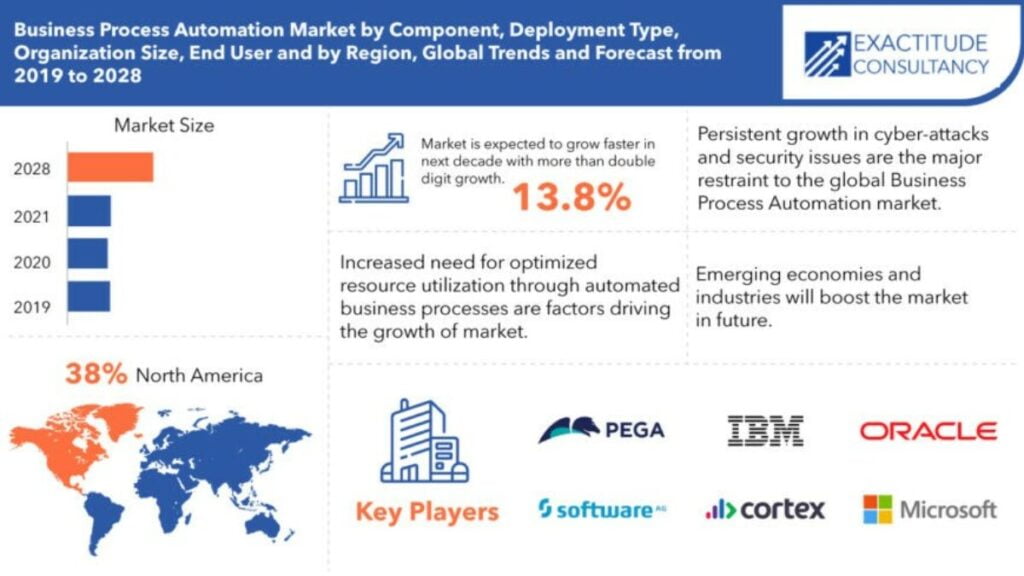
What is the Future of Business Process Automation Market?
As we venture further into the digital age, business process automation will continue to evolve and redefine how businesses operate. So, any company can take a chance to get involve in BPA today and in future without any fear of loss or doubt.
The Expert Community: Elevating Your Brand Visibility to New Heights!
So, what are waiting for? To thrive in 2023 and beyond, book our tailored business process outsourcing service as a strategic tool that can empower your workforce and drives innovation. Whether you’re a small startup or a multinational corporation, the benefits of automation are within your reach, and they’re poised to transform your business for the better.
Connect with us today to see the power of business intelligence transforming your company into a successful brand.
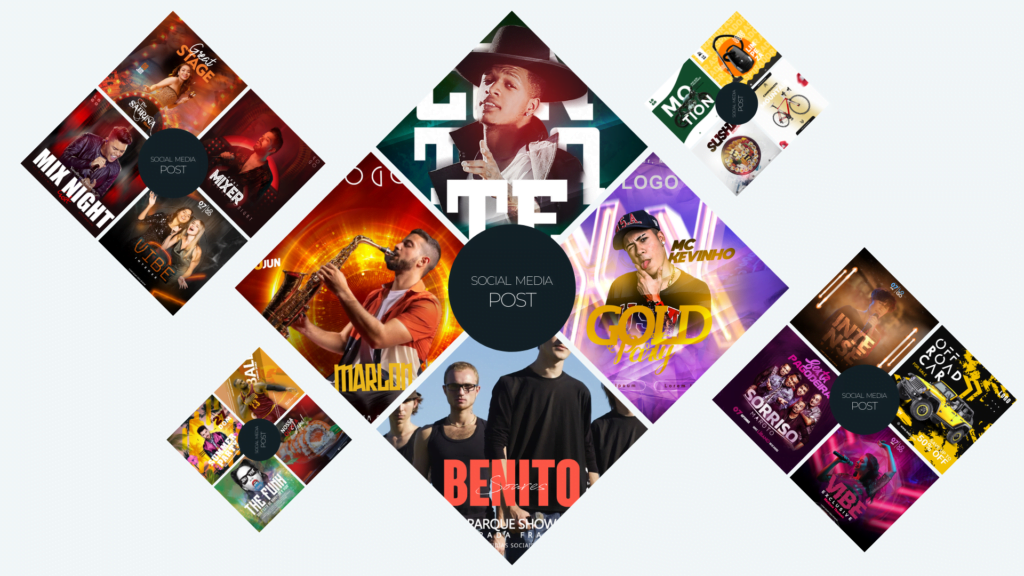
Welcome to the digital era, where grabbing people’s attention is like winning a race. Whether you’re a small business, just getting started, or a big company, having cool and attention-grabbing designs is super important for your marketing and branding. The good news is, you don’t have to spend a ton of money to get great graphic designs. You can actually outsource your design work, and it won’t break the bank.
Let’s talk about how to do that and still get awesome results without sacrificing quality.
Understanding the Benefits of Outsourcing Graphic Designs
Before we dive into the nitty-gritty of cost-effective outsourcing, let’s chat about why outsourcing your graphic design needs is such a smart move. There are some pretty fantastic advantages to consider:
1. Cost Savings: By outsourcing, you can avoid those hefty in-house designer salaries, benefits, and software expenses goodbye. It’s like trimming down your design budget without sacrificing quality.
2. Access to Talent: When you outsource, you’re not just hiring one designer; you’re gaining access to a worldwide treasure trove of creative talent. There are all kinds of designers out there, each with their unique skills and experiences. Finding the perfect fit for your project is easier than ever.
3. Scalability for the Win: Whether your design needs are fluctuating with the seasons or as steady as a heartbeat, outsourcing lets you scale your projects up or down as needed. This flexibility is gold for businesses with ever-changing design requirements.
4. Time is Money: Think of outsourcing as a time machine for your team. With experienced professionals handling your graphic designs work, your in-house team can focus on what they do best – your core business activities.
5. A Breath of Fresh Air: Outsourced designers don’t just bring their skills to the table; they also bring a fresh perspective. It’s like having a gust of creativity and innovation sweep through your projects. Their new ideas can be a game-changer.
So, now that we’re all on the same page about the awesomeness of outsourcing, let’s dive into some strategies to get the most out of it without burning through your budget.
Define Your Project Scope
To ensure you get quality work within your budget, start by defining your project scope. Be as specific as possible about your design requirements, including the style, colors, dimensions, and any branding guidelines. The clearer your project brief, the less room there is for misinterpretation, reducing the need for revisions and potential additional costs.
Set a Realistic Budget
Understanding your budget limitations is essential. When you set a clear budget for your design project, it helps you find designers who are willing to work within your price range. However, it’s crucial to strike a balance between budget and quality. Extremely low budgets may result in low-quality work, so be prepared to invest a reasonable amount for the desired results.
Select the Right Outsourcing Platform
Several platforms and websites connect businesses with freelance graphic designers or design agencies. It’s crucial to research these platforms to find one that suits your needs. Pay attention to user reviews, ratings, and past work examples when selecting a designer. Additionally, don’t hesitate to reach out and interview potential designers to examine their suitability for your project.
Review Portfolios and Past Work
Before finalizing your decision, thoroughly review the portfolios and past work of potential designers or agencies. This will give you a clear understanding of their style, capabilities, and whether their work aligns with your project’s requirements. Look for designers who have experience in your industry or have completed similar projects to ensure they understand your specific needs.
Communication Is Key
Effective communication is vital for successful outsourcing. Clearly articulate your expectations, provide feedback promptly, and be open to questions and suggestions from the designer. Miscommunication can lead to revisions and extra costs, so establishing a transparent and open line of communication from the beginning is crucial.
Test with a Small Project
If you’re working with a designer or agency for the first time, consider starting with a small project to evaluate their skills, reliability, and compatibility. This can be a low-risk way to assess whether they meet your quality standards before committing to larger, more significant projects.
Consider Different Pricing Models
When outsourcing graphic designs work, you’ll encounter different pricing models, such as hourly rates, fixed prices, or per-project fees. Depending on the nature of your project, one model may be more cost-effective than others. For simple, well-defined tasks, a fixed price might be the best choice, while hourly rates may work better for complex, ongoing projects.
Request Multiple Quotes
To ensure you’re getting the best value for your money, don’t hesitate to request quotes from multiple designers or agencies. This allows you to compare prices and evaluate the quality and services offered. However, remember that the cheapest option may not always provide the best quality.
Prioritize Quality Over Quantity
It’s easy to fall into the trap of demanding numerous design variations or revisions to get the most out of your budget. While it’s essential to get the graphic designs right, overloading the designer with too many changes can be counterproductive. Quality should always take precedence over quantity. Focus on getting a few exceptional designs rather than an abundance of mediocre ones.
Build Long-Term Relationships
If you find a designer or agency that consistently delivers high-quality work within your budget, consider building a long-term working relationship. This can lead to better rates, improved understanding of your brand, and greater efficiency in future projects.
Review and Provide Feedback
After the completion of each project, take the time to review the work and provide constructive feedback to the designer. Positive feedback encourages good work, while constructive criticism helps them understand your preferences better. This iterative process can lead to better results over time.
Be Flexible
Flexibility is key when outsourcing graphic designs. Sometimes, unexpected changes or improvements in your project may require adjustments to your budget. Be open to negotiations and discussions with your designer when necessary to maintain both quality and cost-effectiveness.
Monitor Intellectual Property Rights
Ensure that you have a clear understanding of intellectual property rights before starting any project. Be sure to address ownership, usage rights, and confidentiality agreements to avoid legal disputes in the future.
Quality Assurance
Before finalizing a project, conduct a rigorous quality check to ensure it meets your standards. This includes checking for errors, consistency, and alignment with your brand guidelines. A high-quality final product is your ultimate goal.
Wrapping Up!
Outsourcing graphic designs can be a cost-effective solution for businesses looking to maintain quality while staying within their budget. By following these strategies, you can find the right designers, maintain effective communication, and achieve excellent results in a way that benefits both your business and your wallet. Remember, the key to successful outsourcing is a thoughtful and well-planned approach that prioritizes quality at every step of the process. With the right strategy, you can harness the power of graphic design to enhance your brand and captivate your audience without compromising your bottom line.
You know what, after reading this article, you don’t have to wander in search of good graphic designs. We are already here to help you with it. Let me tell you that our specialized graphic design services meet all of the standards above. With this risk-free approach, you can engage with our design experts to do your graphic design tasks effectively.
Join us for a coffee meeting where we can delve into the creative process of crafting exclusive designs for your brand.
In a dynamic era of educational advancement, institutions are leveraging cutting-edge technologies to redefine the learning experience. This case study delves into the transformative journey of University, where the strategic integration of Virtual Reality (VR) and Augmented Reality (AR) has elevated traditional teaching methodologies, fostering a new era of immersive and engaging education.
Client Story
Our Edtech client, a trailblazer in higher education, recognized the imperative to transcend conventional teaching approaches. The institution embarked on a visionary path, seeking to harness the potential of augmented & virtual reality in education. With the help of these technologies, client wanted to deliver a distinctive and interactive educational milieu across diverse disciplines.
This is how our highly professional experts helped the institute with cutting-edge technology.
The three challenges which most of the education institutes faced. Similarly, our client face too…
Engagement Deficiency: Client’s traditional teaching methods struggled to captivate and sustain student interest.
Complex Subject Dynamics: Certain disciplines, notably in science and engineering, demanded hands-on experiences challenging to replicate within the confines of a traditional classroom.
Global Educational Reach: The University aspired to extend its educational influence globally, dismantling geographical barriers and ensuring access to high-quality education for students worldwide.
A Comprehensive Approach with VR, AR, and Personalized Onboarding
In collaboration with specialized augmented & virtual reality in education technology solutions, we helped the university implement a comprehensive solution comprising:
Immersive Learning Environments: VR simulations were meticulously crafted to simulate realistic learning environments for intricate subjects like biology, physics, and engineering. This immersive approach empowered students to explore concepts in a three-dimensional space, enhancing comprehension and retention.
AR-Infused Textbooks: Augmented reality was seamlessly integrated into textbooks, enabling students to unlock additional multimedia content such as 3D models, videos, and interactive quizzes by simply scanning pages with their mobile devices.
Virtual Laboratories: VR-based virtual laboratories were designed, offering students the opportunity to conduct experiments in a controlled digital environment. This addressed the limitations of physical laboratories, providing a safe and dynamic hands-on experience in subjects like chemistry and physics.
Global Learning Platform: The institution pioneered an online platform utilizing VR for live lectures, seminars, and collaborative projects. This groundbreaking initiative facilitated real-time participation for students worldwide, cultivating a global learning community.
Not only this, we also added a highly-influential strategy by creating a personalized on boarding experience for new website visitors by offering a free educational assessment or quiz tailored to their needs and goals.
The Win-Win Outcome
Elevated Engagement Levels: The incorporation of VR and AR significantly elevated student engagement, with interactive and immersive experiences capturing the attention of learners across diverse disciplines.
Enhanced Comprehension and Retention: Students exhibited improved understanding and retention of complex subjects, attributing their success to the hands-on, visual nature of VR and AR experiences.
Global Reach and Inclusivity: The online learning platform broadened the university’s scope, attracting students from various corners of the globe. This not only expanded the institution’s global footprint but also promoted cross-cultural exchange and collaboration.
Positive Stakeholder Feedback: Both students and faculty lauded the effectiveness of VR and AR in making learning both enjoyable and effective, marking a paradigm shift in the traditional education landscape.
We strongly believe that as the educational landscape evolves, the strategic integration of VR and AR is poised to be a cornerstone in shaping a dynamic and inclusive future of education.
Therefore, if you own an educational institute and are struggling with student engagement and participation in lessons, understanding and retention of complex concepts, or getting students to be actively involved in their learning journey, take a back seat and relax. We are here to do it for you.
Join us for a coffee meeting and discuss how our solution can help you in the most favorable ways. Connect with us now!
We use cookies on our website to give you the most relevant experience by remembering your preferences and repeat visits. By clicking “Accept”, you consent to the use of ALL the cookies.
This website uses cookies to improve your experience while you navigate through the website. Out of these, the cookies that are categorized as necessary are stored on your browser as they are essential for the working of basic functionalities of the website. We also use third-party cookies that help us analyze and understand how you use this website. These cookies will be stored in your browser only with your consent. You also have the option to opt-out of these cookies. But opting out of some of these cookies may affect your browsing experience.
Necessary cookies are absolutely essential for the website to function properly. These cookies ensure basic functionalities and security features of the website, anonymously.
Cookie
Duration
Description
cookielawinfo-checbox-analytics
11 months
This cookie is set by GDPR Cookie Consent plugin. The cookie is used to store the user consent for the cookies in the category "Analytics".
cookielawinfo-checbox-functional
11 months
The cookie is set by GDPR cookie consent to record the user consent for the cookies in the category "Functional".
cookielawinfo-checbox-others
11 months
This cookie is set by GDPR Cookie Consent plugin. The cookie is used to store the user consent for the cookies in the category "Other.
cookielawinfo-checkbox-necessary
11 months
This cookie is set by GDPR Cookie Consent plugin. The cookies is used to store the user consent for the cookies in the category "Necessary".
cookielawinfo-checkbox-performance
11 months
This cookie is set by GDPR Cookie Consent plugin. The cookie is used to store the user consent for the cookies in the category "Performance".
viewed_cookie_policy
11 months
The cookie is set by the GDPR Cookie Consent plugin and is used to store whether or not user has consented to the use of cookies. It does not store any personal data.
Functional cookies help to perform certain functionalities like sharing the content of the website on social media platforms, collect feedbacks, and other third-party features.
Performance cookies are used to understand and analyze the key performance indexes of the website which helps in delivering a better user experience for the visitors.
Analytical cookies are used to understand how visitors interact with the website. These cookies help provide information on metrics the number of visitors, bounce rate, traffic source, etc.
Advertisement cookies are used to provide visitors with relevant ads and marketing campaigns. These cookies track visitors across websites and collect information to provide customized ads.